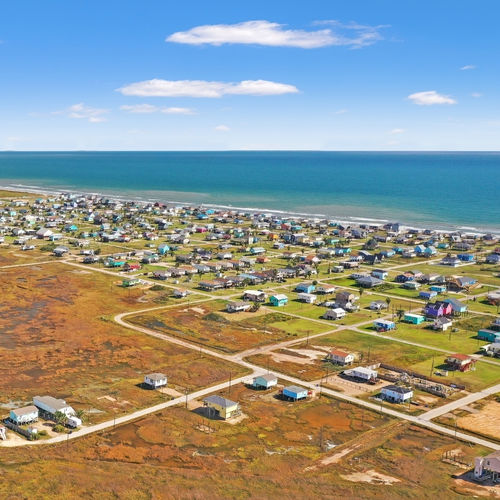


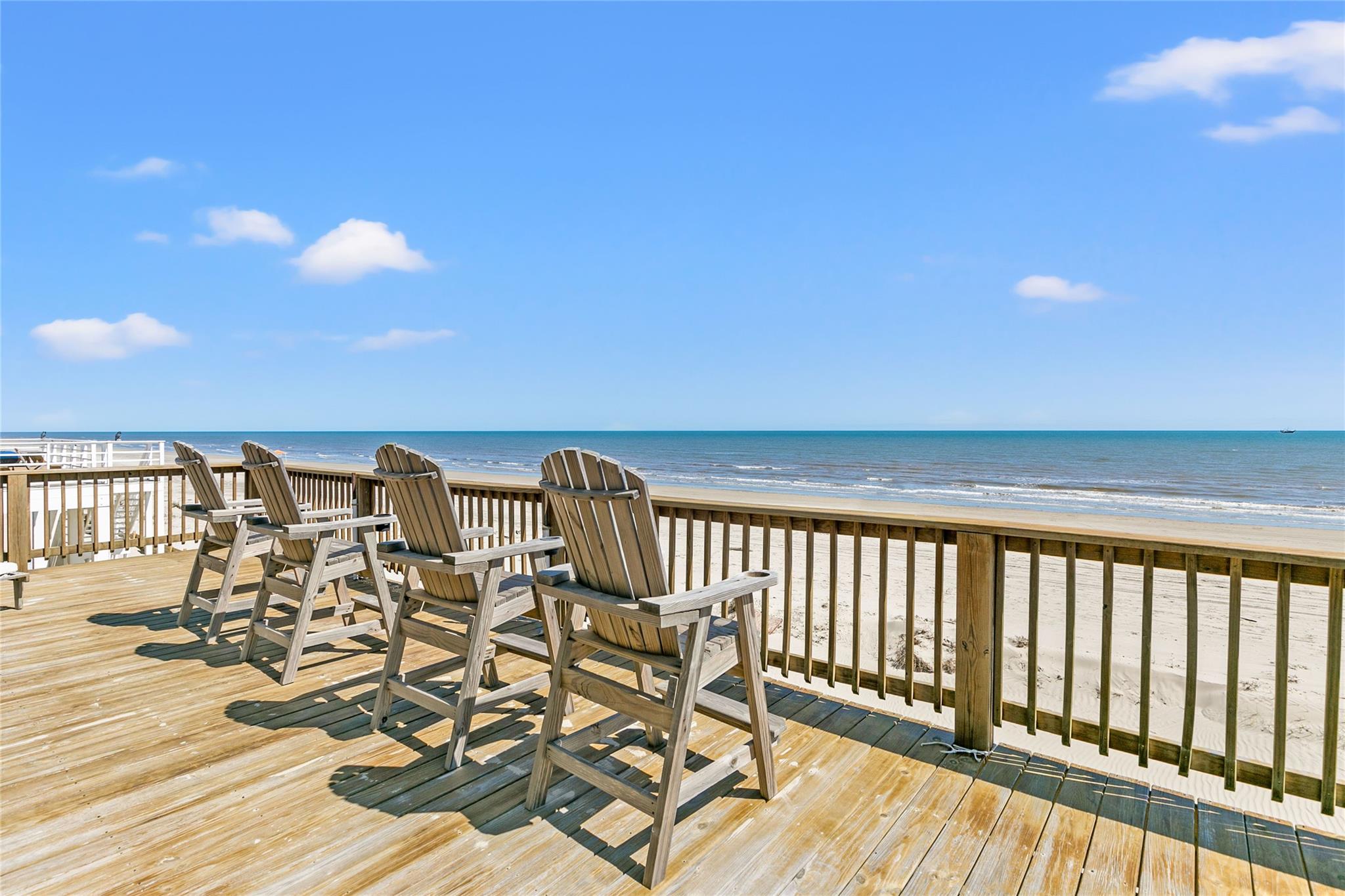
Selling a coastal home in Surfside Beach is different from selling a home inland, and preparation matters more than many sellers expect.
If you’re actively considering listing your home, understanding how coastal location affects pricing, buyer expectations, inspections, and timing can make the difference between a smooth sale and unnecessary stress. This guide is designed to help Surfside Beach sellers prepare confidently before listing, with clarity around what today’s coastal buyers care about most.
How Coastal Location Shapes Buyer Expectations in Surfside Beach
Buyers shopping in Surfside Beach come in with specific questions and concerns. Many are second-home buyers, retirees, or families looking for a Gulf Coast retreat, and they tend to be thoughtful and detail-oriented.
They’re paying close attention to:
flood zone areas and elevation
insurance availability and cost
storm history and how the home has been maintained
overall condition relative to coastal exposure
Understanding these expectations helps sellers prepare in a way that builds confidence rather than hesitation.
What Sellers Should Know About Pricing a Coastal Home
One of the biggest mistakes coastal sellers make is relying solely on nearby sales without considering why values differ.
In Surfside Beach, pricing is often influenced by:
elevation and flood zone classification
age of the home and construction type
exposure to wind and salt air
insurance requirements tied to the property
Two homes a block apart can have very different ownership costs, and buyers know this. Pricing with these factors in mind helps attract serious buyers instead of creating friction during negotiations.
What Inspections Mean for Sellers Before Listing Near the Gulf
Inspections tend to carry more weight when selling near the Gulf.
Coastal buyers often focus on:
roof condition, fastening systems and structural items
signs of corrosion from salt air
drainage, elevation, and moisture control
wind-related wear
Preparing for these inspections ahead of time — rather than reacting during escrow — can prevent delays and keep deals moving forward.
How Insurance Affects Buyer Confidence — and Your Sale
Insurance is one of the most common sticking points in coastal transactions.
Buyers may need:
wind and hail coverage
flood insurance
additional documentation from inspections
When sellers understand how insurance factors into the transaction, they can help set realistic expectations and avoid last-minute surprises that slow or derail the sale.
Why Timing Matters When Selling a Coastal Home in Surfside Beach
Coastal markets tend to have different cycles than inland markets.
In Surfside Beach, timing can be influenced by:
seasonal buyer activity
insurance underwriting timelines
weather-related considerations
second-home buying cycles
Selling successfully isn’t about rushing — it’s about listing when your home is positioned to meet buyer demand with clarity and confidence.
Preparing Thoughtfully Leads to Stronger Outcomes
The most successful coastal sales usually come from preparation, not pressure.
Sellers who experience smoother transactions often:
understand how buyers evaluate coastal risk
prepare for inspections early
price with long-term ownership in mind
communicate transparently about the property
This approach builds trust with buyers and reduces unnecessary stress throughout the process.
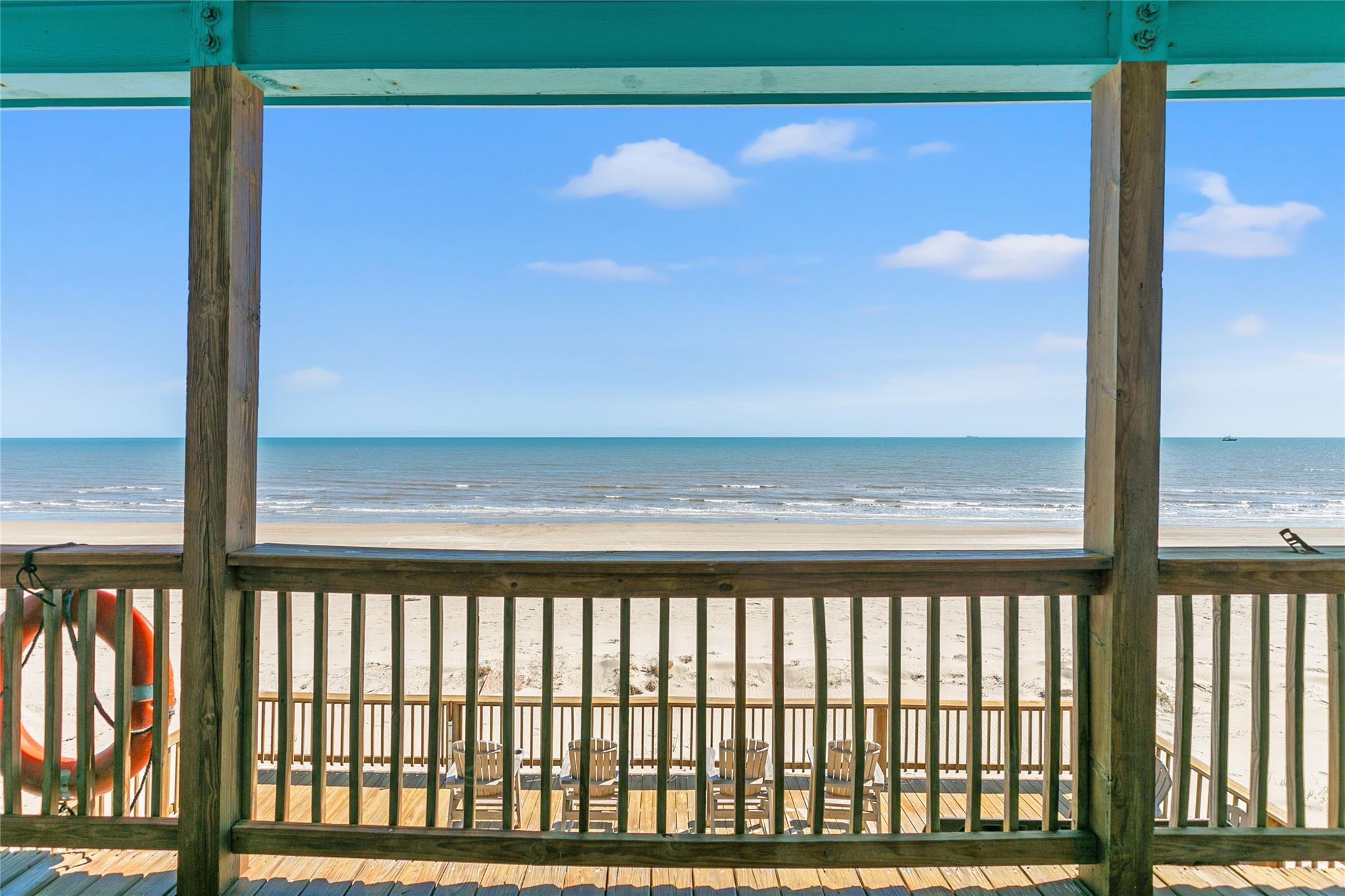
Selling With Clarity in Surfside Beach
Selling a coastal home in Surfside Beach isn’t just about listing, it’s about understanding how location, condition, and buyer perception intersect near the Gulf.
When sellers take the time to prepare with local insight, the process becomes more predictable, more efficient, and ultimately more successful.

Check out this article next