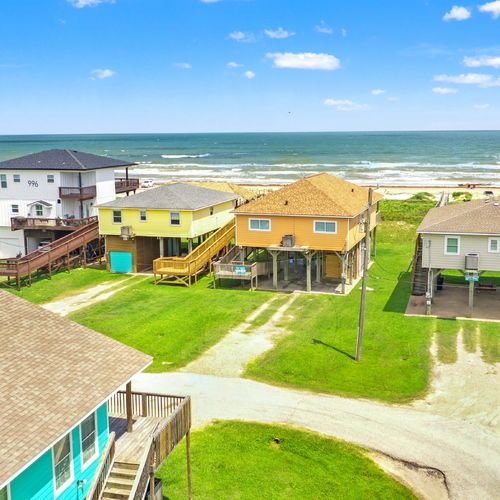


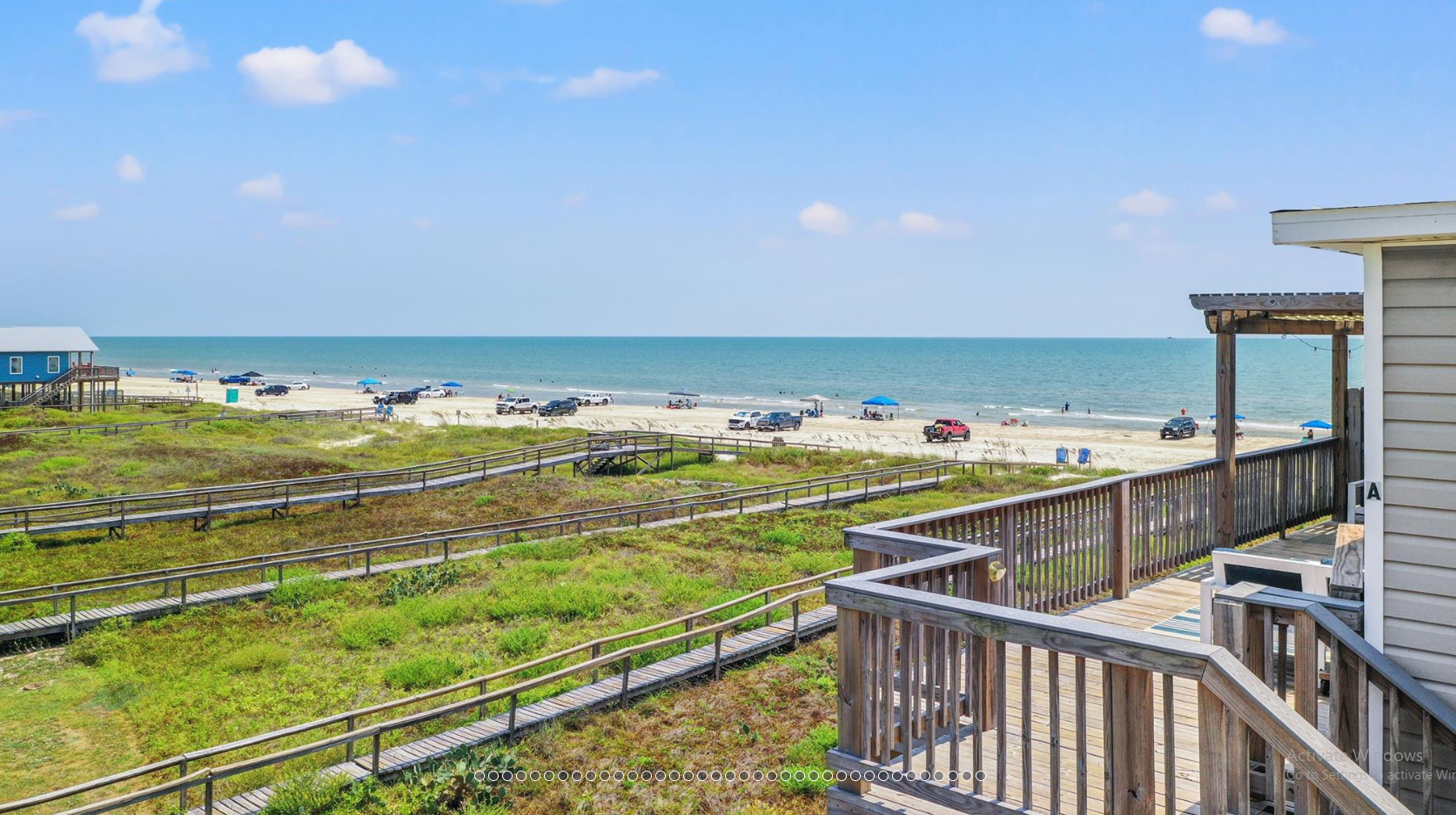
Real estate decisions are often framed around the transaction itself. When to buy. When to sell. What the market is doing right now. But in Surfside Beach, the decisions that feel the most solid over time usually come from stepping back and looking beyond the transaction.
Coastal ownership isn’t just about closing on a home. It’s about how that home fits into your life months and years down the road. This is especially true for buyers considering second homes or future retirement properties, and for sellers deciding whether letting go now truly aligns with their long-term plans.
This guide is meant to slow the conversation down just enough to help buyers and sellers think clearly, without pressure, about whether coastal ownership here makes sense for them in the long run.
Coastal Ownership Is an Ongoing Experience, Not a One-Time Decision
Owning a home near the Gulf comes with rewards, but it also comes with responsibility. The coastal environment shapes how homes age, how they’re maintained, and how ownership feels over time. Weather exposure, salt air, insurance requirements, and ongoing upkeep all become part of the ownership experience.
Buyers who feel most comfortable long term are usually the ones who understand this before they purchase. They're not surprised by the realities of coastal ownership because they planned for them. Sellers who have owned coastal homes for years often recognize this difference as well, especially when deciding whether to hold a property longer or move on.
Thinking beyond the transaction means acknowledging that ownership doesn’t stop at closing. It evolves.
How You Plan to Use the Home Matters More Than the Home Itself
One of the most important long-term questions is how the property will actually be used. A home that works beautifully as a second home may feel very different as a full-time residence. Likewise, a home purchased with future retirement in mind may serve a different purpose today.
In Surfside Beach, many buyers are planning for gradual transitions. Some intend to use a home occasionally now and more often later. Others are balancing family visits, extended stays, or eventual full-time living. These plans affect everything from maintenance expectations to insurance needs and budgeting.
When buyers and sellers take the time to think through usage honestly, decisions tend to feel more aligned and less reactive.
Maintenance Planning Shapes Long-Term Satisfaction
Maintenance is a normal part of coastal ownership, but the way it’s approached makes a meaningful difference. Homes near the Gulf benefit from consistent care, thoughtful planning, and realistic expectations.
Buyers who plan ahead for maintenance often feel more confident and less stressed after the purchase. They understand what is typical for coastal homes and budget accordingly. Sellers who have maintained their homes with this mindset are often better positioned when it comes time to sell, because buyers respond positively to clarity and care.
Long-term planning turns maintenance from an unknown into a manageable part of ownership.
Timing Is Personal, Not Just Market-Driven
While market conditions always play a role, timing coastal decisions often comes down to personal factors. Retirement timelines, family needs, lifestyle changes, and how a property has been used over time all influence when buying or selling feels right.
In Surfside Beach, thoughtful buyers and sellers give themselves permission to wait when needed. Sometimes waiting allows for better alignment with long-term goals. Other times, moving forward makes sense because plans have come into focus.
There is value in recognizing that timing doesn’t have to be rushed to be successful.
Making the Right Long-Term Move
Long-term coastal ownership decisions feel strongest when they’re made with intention. By thinking beyond the transaction, buyers and sellers in Surfside Beach can better understand how ownership fits into their broader plans.
Whether that means moving forward now, waiting for the right moment, or choosing a different path altogether, clarity leads to better outcomes. Coastal real estate decisions don’t need to be rushed to be successful. When the focus is on long-term fit, the process tends to feel steadier, more thoughtful, and ultimately more rewarding.
Check out this article next